Detection explained
Smoke, fog or dust? Why fire detection systems raise false alarms
A pale cloud above the trees is not always smoke. Understanding false alarms helps explain what makes a fire detection system useful.
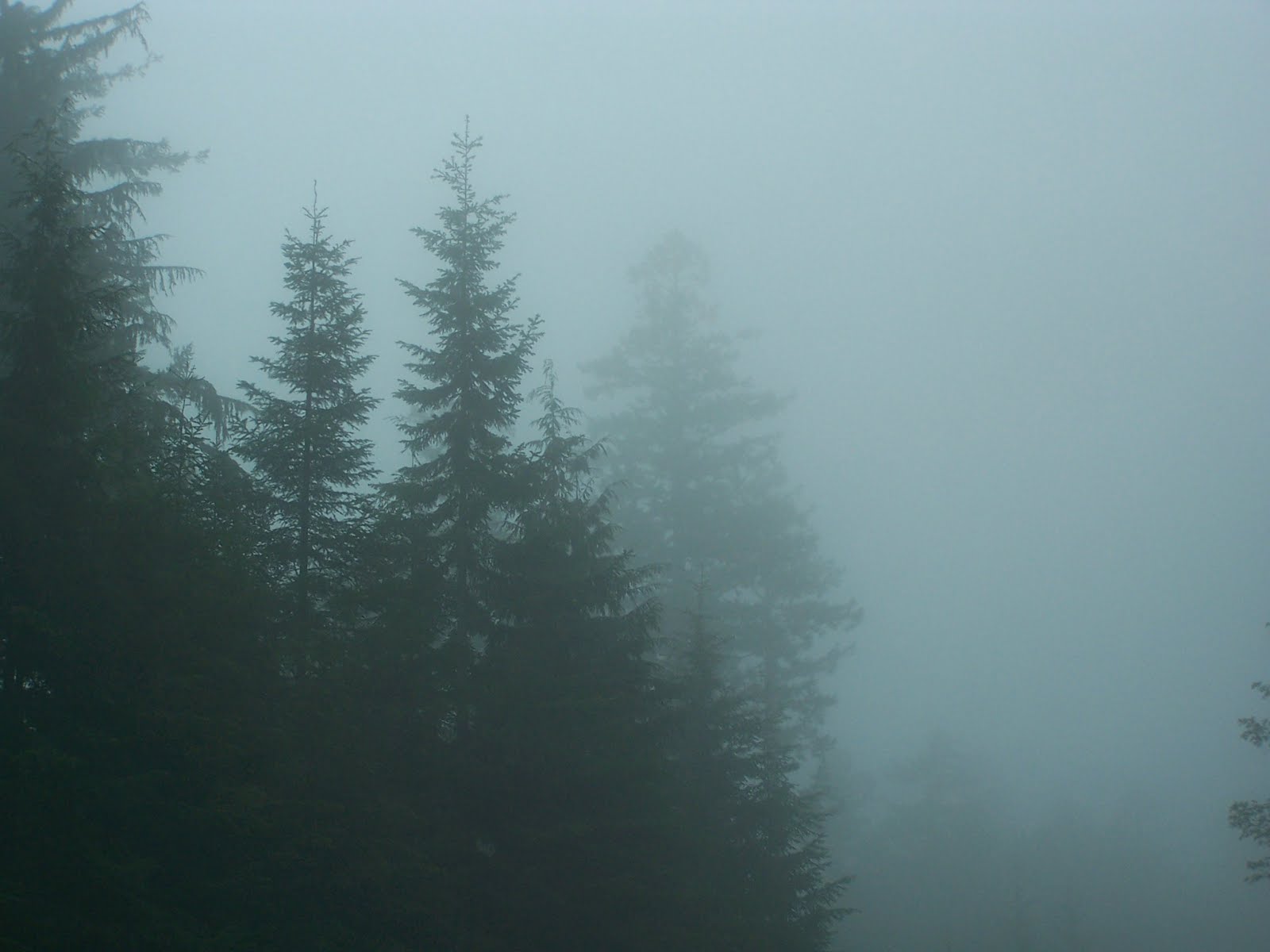

A camera-based wildfire detector can raise an alert when fog or dust looks like smoke. This is a false positive: the system flags something it was meant to ignore. The challenge is to reduce these interruptions while still noticing the faint, early smoke that matters most.
A false alarm does not necessarily mean a camera is broken. It may reflect an ambiguous view, unfamiliar conditions or a setting that favours sensitivity. This article focuses on outdoor camera systems; indoor smoke alarms and other sensors work differently.
Why the lookalikes are difficult
A normal video camera records appearance. It does not directly measure what a cloud is made of. Smoke, drifting fog and airborne dust can all create moving, partly transparent patches that obscure the background.
A study of wildfire camera networks identifies clouds, haze, fog and dust as difficult distractions when early smoke is thin and low in contrast. Colour alone is not enough. A pale patch might be harmless, but pale smoke can also be a sign of fire.
Some misleading patterns come from the equipment’s immediate surroundings. In a field study in Portugal, researchers documented false detections caused by water drops on the lens, sun reflections and even a pole. Improving reliability therefore involves the camera installation as well as the AI.
The cost of a quieter system
Detection software often gives a suspected plume a score. An alert is triggered when the score passes a chosen threshold, sometimes with additional checks. Our guide to how AI detects wildfire smoke explains that sequence.
For the same model, raising the threshold generally reduces false alerts. But it can also reject real smoke with a weaker score. Lowering it has the opposite trade-off. A quiet system is not automatically a good detector.
Repeated false alarms have a human cost too. An account of operating a public wildfire detection system describes how investigating them can reduce the perceived urgency of the next notification. The aim is to preserve attention without filtering away useful warnings.
Why accuracy can mislead
A headline accuracy percentage can hide this trade-off. Google’s guide to evaluating classifiers explains that accuracy can be misleading when one kind of example greatly outnumbers the other.
Imagine a test containing 1,000 images, just one of which shows smoke. A system that always answers “no smoke” gets 999 right. Its accuracy is 99.9%, yet it misses the only smoke image. This is an invented example, not a result from a detection product.
An illustrative calculation
A high score. A missed warning.
1,000 test images: 999 without smoke, 1 with smoke.
The system labels every image “no smoke”.
- Overall accuracy
- 99.9%999 correct answers out of 1,000
- Smoke images detected
- 0 of 1The only smoke image is missed
Better questions separate the outcomes: how much real smoke is detected, how many alerts are false, and how long detection takes. These measures describe different parts of performance; none should be read alone.
Reducing false alarms in practice
Several checks can work together. Training can include verified examples of local lookalikes. A sequence of images can help a reviewer see how a suspicious patch develops. Camera maintenance can address recurring obstructions or water drops.
The HPWREN operational account describes using confirmed false detections to improve training and time-lapse images to help people distinguish smoke from distractions. This is an ongoing process: a successful demonstration does not establish performance in every season or location.
It also matters where an alert goes. A machine flag, an operator-confirmed incident and a request for an emergency response are different stages. In ALERTCalifornia’s workflow, trained watchstanders vet potential incidents before confirming them. Ask which stage a supplier’s false-alarm figures describe.
What should a site manager ask?
Ask for false alerts per camera per day, alongside missed detections and detection time under the same settings. Check whether repeated flags for one event count separately. Request examples from difficult weather, lighting and site activity similar to your own.
Agree who checks each alert and what happens next. Previous false alarms are not a reason to dismiss a new one without assessment. Our guide to using existing security cameras for fire detection explains how to start assessing the camera network itself.
Sources & further reading
- Detecting Wildfire Smoke Onset from Fixed View Camera Networks Sensors (2026)
- Real-Time Integration of Segmentation Techniques for Reduction of False Positive Rates in Fire Plume Detection Systems during Forest Fires Martins and colleagues, Remote Sensing (2022)
- Lessons learned from operating a public wildfire detection system Kinshuk Govil, Open Climate Tech; published by HPWREN (2021)
- Classification: Accuracy, recall, precision, and related metrics Google, Machine Learning Crash Course
- Research & Technology ALERTCalifornia, UC San Diego
NuraGaze provides wildfire early-warning software and monitoring systems. This explainer draws on the sources above. Research findings and illustrative calculations are not performance claims for NuraGaze products.