Early warning
Why the first few minutes of a wildfire matter
An early warning starts a chain of decisions. What happens between spotting a fire and reaching it can shape the response.
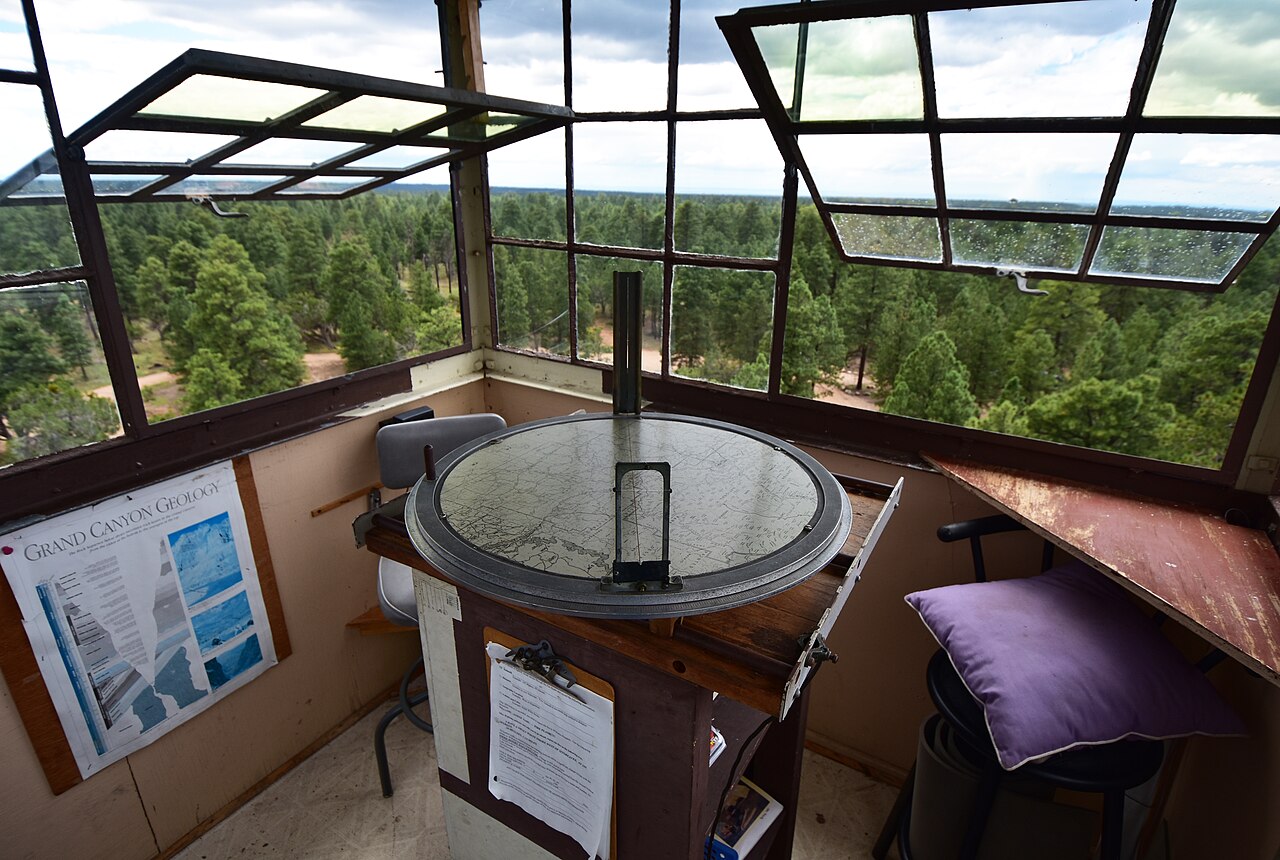

A wildfire keeps changing while people work out what is happening. Earlier detection can give responders more time to act, potentially reaching a fire while it is still small. The benefit depends on what happens next: locating the fire, sharing useful information and getting an appropriate response under way.
For a land manager or site operator, the first few minutes are an opportunity to reduce avoidable delay. A fast alert is valuable when it helps someone make a timely, informed decision.
A small fire can become a different problem
Dry vegetation, wind and slopes can help a fire spread. Burning fragments carried ahead can create new ignitions. The Country Fire Authority explains these changes, including how a wind shift can turn a fire’s long side into a much wider advancing front. Our article on how fast a wildfire can spread explores the mechanisms.
As conditions change, the options available to crews can change too. The BC Wildfire Service explains that crews may work close to low-intensity fires, while more intense fires can make that unsafe. Fires that exceed the capabilities of the first responding crews may require larger teams, aircraft and heavy equipment.
Reaching a fire earlier may preserve more options. It does not make every fire safe to approach, or guarantee that crews can contain it.
What the research shows
A 2025 study of initial wildfire response in California examined response-time records for 9,886 incidents from 2020–2023. Longer response times were generally associated with a lower likelihood of successful early containment. Terrain difficulty also mattered, and the relationship between time and outcome varied with it.
There is an important detail in that study: its response clock ran from the recorded alarm to the arrival of the first resources. A fire could have been burning before the alarm. That earlier, unrecorded period is part of the real delay.
The findings support reducing unnecessary delay, but do not establish a universal five-minute deadline. They also cannot tell a particular site how much damage a faster alert would prevent.
The clock keeps running after detection
Spotting a possible fire starts a process. Someone needs to assess the signal and its location, pass information to the responsible team, and arrange a response. Crews may then need time to reach the area.
The US Government Accountability Office’s review describes cameras, satellites and sensors that can help detect wildfires. It also identifies difficulties with verifying detections, transmitting data from remote places and combining information from different systems.
Turning a warning into action
Every handover matters
Detect
Notice smoke, heat or another indication of fire.
Assess & locate
Check what is happening and establish where.
Notify & mobilise
Share the information so the responsible teams can act.
Reach & respond
Responders assess conditions and take appropriate action.
Verification and notification may happen together under local procedures. The aim is to make reliable information available promptly. An alert that nobody receives, or a location nobody can interpret, leaves a gap between detection and action.
What does a useful alert contain?
Compare “there is smoke somewhere north of the site” with a report giving an estimated location, the time of observation and a current image. The second gives the recipient more to assess. Any uncertainty about the location or what the image shows should travel with the report.
The National Wildfire Coordinating Group’s initial assessment guidance asks responders to consider location, terrain, fire size, vegetation, weather, threatened assets and available resources. A detection system supplies part of this picture; trained responders assess the wider situation.
Prepare the handover before fire season
For organisations evaluating early warning, a practical exercise is to follow a test alert through their agreed procedures. Who receives it outside office hours? Can they understand the location? Who contacts the relevant response service? What happens if a connection fails?
Record when the signal was received, assessed and passed on. Define what starts each clock, so a claim about “detection time” is not mistaken for the time until crews arrive.
These questions turn an abstract promise of speed into a workflow people can examine and practise. The value of the first few minutes lies in using them well.
Sources & further reading
- Wildfire Detection Technologies US Government Accountability Office
- How bushfires behave Country Fire Authority, Victoria
- Wildfire response types and attack methods BC Wildfire Service
- Assessing the suppression difficulty of wildland fires for initial attack response International Journal of Wildland Fire, 2025
- Initial Attack Sizeup/Safety National Wildfire Coordinating Group
NuraGaze provides wildfire early-warning software and monitoring systems. This explainer draws on the sources above.